
Would-Be Thieves Sue Child, 8, for Injuries Sustained During Foiled Robbery Attempt


We interviewed Garrett Ramey, a retired detective familiar with the case. “These guys are some real sickos,” Ramey said. “They’re known by the PD as the wet bandits because they flood the houses of their victims. Real nasty stuff.”

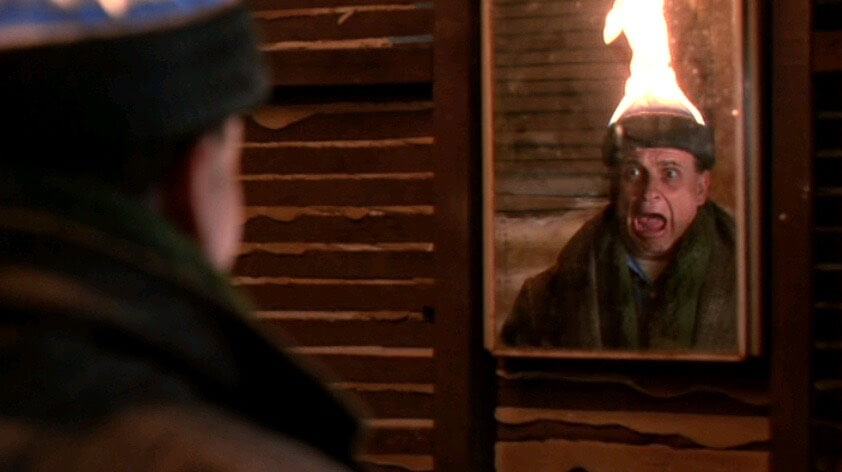

We attempted to contact Mr. McCallister’s parents for comment, but they were not home.
Want updates on this case and others like it?
Follow us on Facebook or Twitter.
Update: We did a short Q&A with local personal injury attorney Eric Ramos. See his commentary below.
Q: What were your first thoughts when you heard about this case?
“I thought it was a joke at first. It’s very interesting to think about the way these claims developed and the legal implications involved. You literally can’t make this stuff up.”
Q: Is this a case that you would take on?
“I represent individuals and families injured through the careless acts of others. While everyone deserves quality legal representation, I don’t think I’d feel comfortable representing the plaintiffs in this case.”
Q: What is the essence of the plaintiffs’ legal claim?
“The law allows for individuals to use force to protect themselves and their property, however, this right isn’t absolute. It’s well known among lawyers and law students that deadly force is never justified to protect property. Mr.Coffman will likely argue that the defendant was not acting in self-defense and that Mr. McCallister’s use of force to protect the house and belongings was calculated to cause serious bodily injury or death. He’ll rely on this to make his claim for damages.”
Q: Is there any law on the books that gives the plaintiffs a chance to win?
“I haven’t looked closely at statutory law regarding this issue, but there is some case law the plaintiffs might try to use. However, it’s an old Iowa case called Katko v. Briney. In that case, the Briney’s owned a farmhouse that was largely regarded as abandoned. Individuals would regularly enter it to seek shelter for the night. Mr. Briney, attempting to protect his property, set a trap in the form of a spring-loaded shotgun. When Katko opened the door to seek refuge, he was shot in the leg and sustained debilitating injuries. Although he was a trespasser, Mr. Katko sued the Briney’s for his injuries. The trial court allowed the case to go forward and the jury awarded Katko both compensatory and punitive damages. This means that Katko not only recovered money for his injuries, but the Briney’s had to pay more money as a punishment for their overreaching conduct.”
Q: Do you think the plaintiffs have a chance if this goes to trial?
“Historically, juries haven’t looked favorably upon individuals who wear fingerless gloves. That, along with the obvious circumstances under which the plaintiffs were injured, is going to make this an uphill battle from the start. These plaintiffs certainly won’t get any sympathy from me.”